Yoga and Infertility
Yoga can be a valuable complementary practice for individuals and couples trying to conceive. Regular yoga helps reduce stress and anxiety, which can influence reproductive health and overall well-being. Gentle poses, mindful breathing, and meditation promote relaxation, improve blood circulation to the pelvic region, and support flexibility and mobility. Yoga also encourages better sleep, balanced energy levels, and healthy lifestyle habits that contribute to reproductive wellness. Consistent practice may help support hormonal balance, maintain a healthy body weight, and improve physical fitness, all of which play an important role in fertility. Yoga can also reduce muscle tension, improve posture, and create a greater sense of emotional resilience during the fertility journey. For people undergoing fertility treatments, yoga may help promote relaxation and reduce treatment-related stress. While yoga offers many physical and emotional benefits, it is not a treatment or cure for infertility. The best outcomes are achieved when yoga is combined with a balanced diet, regular exercise, appropriate medical care,
Yoga During the Prenatal (Pregnancy) Phase
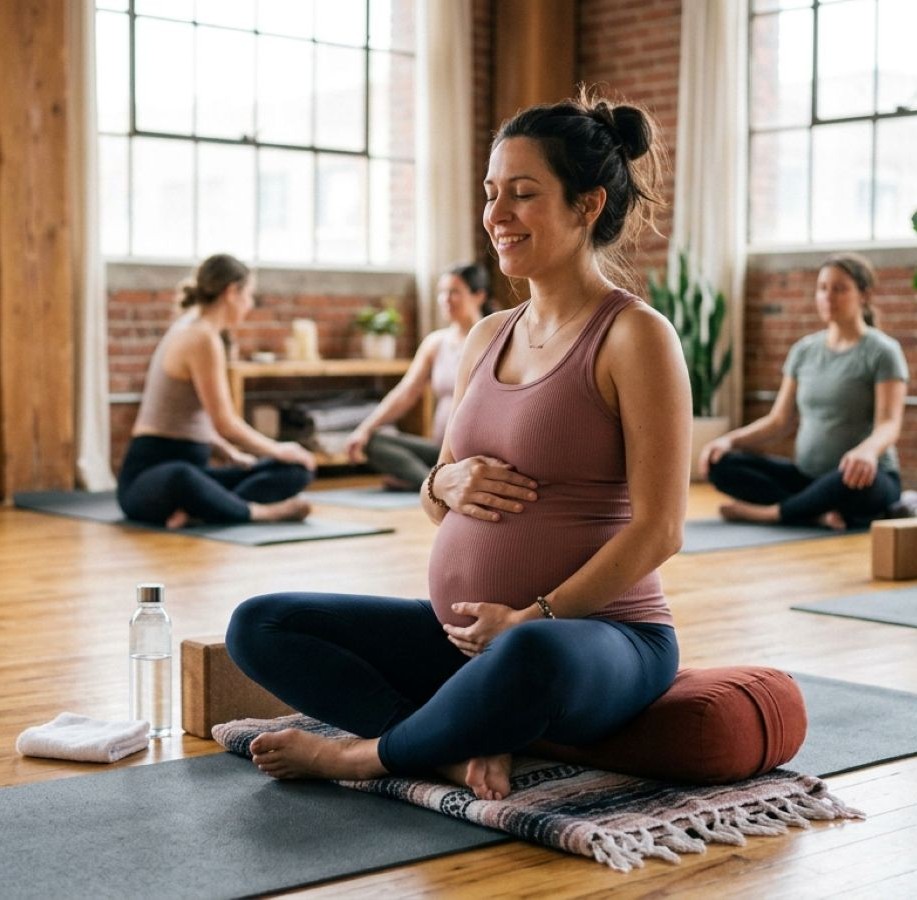
Prenatal yoga is a gentle and effective way to support physical and emotional well-being throughout pregnancy. It helps improve flexibility, strength, and posture while reducing the strain placed on the back, hips, and pelvis as the body changes. Gentle stretching, breathing exercises, and relaxation techniques can help ease common pregnancy discomforts such as back pain, leg cramps, swelling, and muscle tension. Regular practice also promotes better circulation, balance, and overall mobility. Mindful breathing and meditation help reduce stress and anxiety, encourage better sleep, and prepare the body and mind for labor and childbirth. Prenatal yoga can improve body awareness, strengthen the pelvic floor and core muscles, and enhance confidence during pregnancy. It also provides a calming space to connect with the growing baby and support emotional well-being. Prenatal yoga should always be practiced under the guidance of a qualified instructor and with approval from a healthcare provider. While it offers many benefits, it complements—but does not replace—regular prenatal medical care, helping support a healthier and more comfortable pregnancy journey.
Yoga During the Postnatal Phase
Postnatal yoga supports recovery after childbirth by helping the body regain strength, flexibility, and balance at a gradual pace. Gentle movements and breathing exercises help strengthen the core, pelvic floor, back, and hip muscles, which may become weak during pregnancy and delivery. Regular practice can improve posture, reduce neck, shoulder, and back discomfort associated with caring for a newborn, and enhance overall mobility. Yoga also promotes relaxation, reduces stress, and supports emotional well-being during the postpartum period. Mindfulness and breathing techniques can help improve sleep quality, boost energy levels, and encourage a greater sense of calm and confidence. As strength returns, postnatal yoga helps rebuild endurance, improve body awareness, and support a safe return to daily activities and exercise. Postnatal yoga should be started only after approval from a healthcare provider, with timing depending on the type of delivery and individual recovery. While yoga is an excellent complement to postpartum care, it should be combined with proper nutrition, adequate rest, hydration, and regular medical follow-up to support a healthy recovery and overall well-being.
Weight Loss and Toning
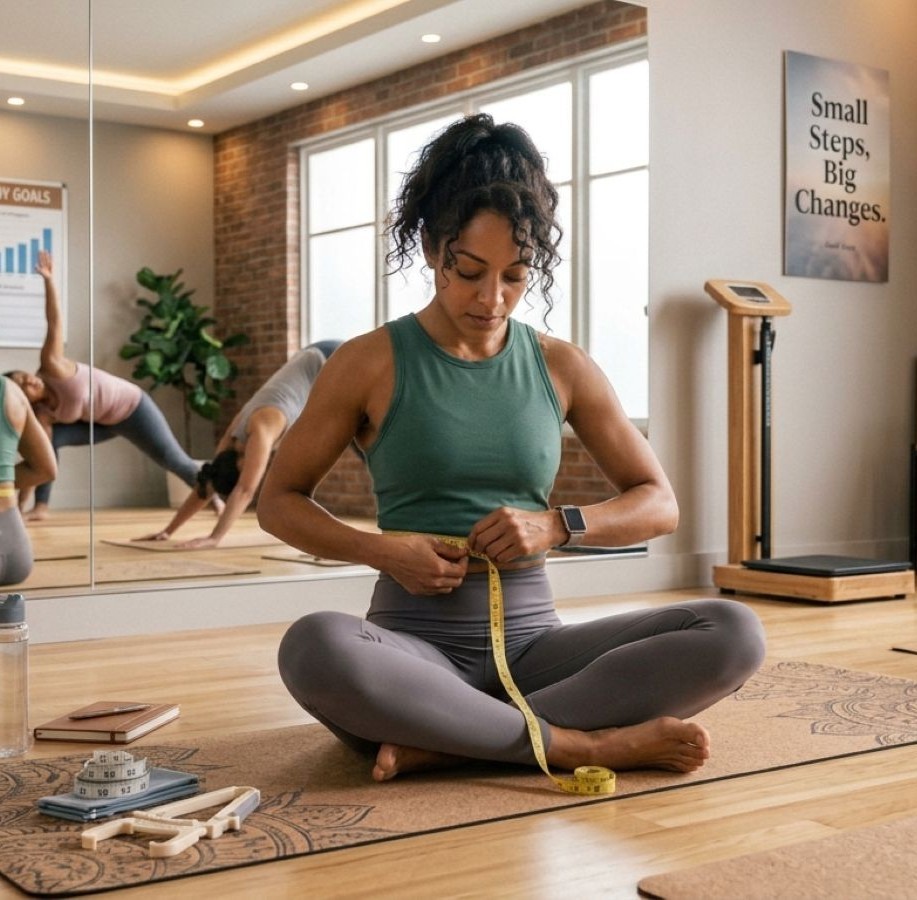
Yoga is a natural and effective way to support weight loss, body toning, inch loss, and achieving a healthy, attractive body shape. Regular yoga practice helps improve metabolism, burn calories, and reduce excess body fat while strengthening muscles and creating a lean, toned appearance. Different yoga poses work on various muscle groups, helping to shape the body, improve flexibility, and enhance posture. Yoga also reduces stress and balances hormones, which can support better eating habits and overall wellness. With consistent practice, it can help reduce inches around the waist, improve body alignment, and create a more confident look. The combination of strength, stretching, breathing exercises, and relaxation techniques promotes a youthful glow, better energy levels, and improved fitness. Yoga not only transforms the body from the outside but also improves inner health, making you feel younger, lighter, stronger, and more active. A regular yoga routine can help you achieve a balanced, fit, and graceful body naturally.
Cellulite Reduction
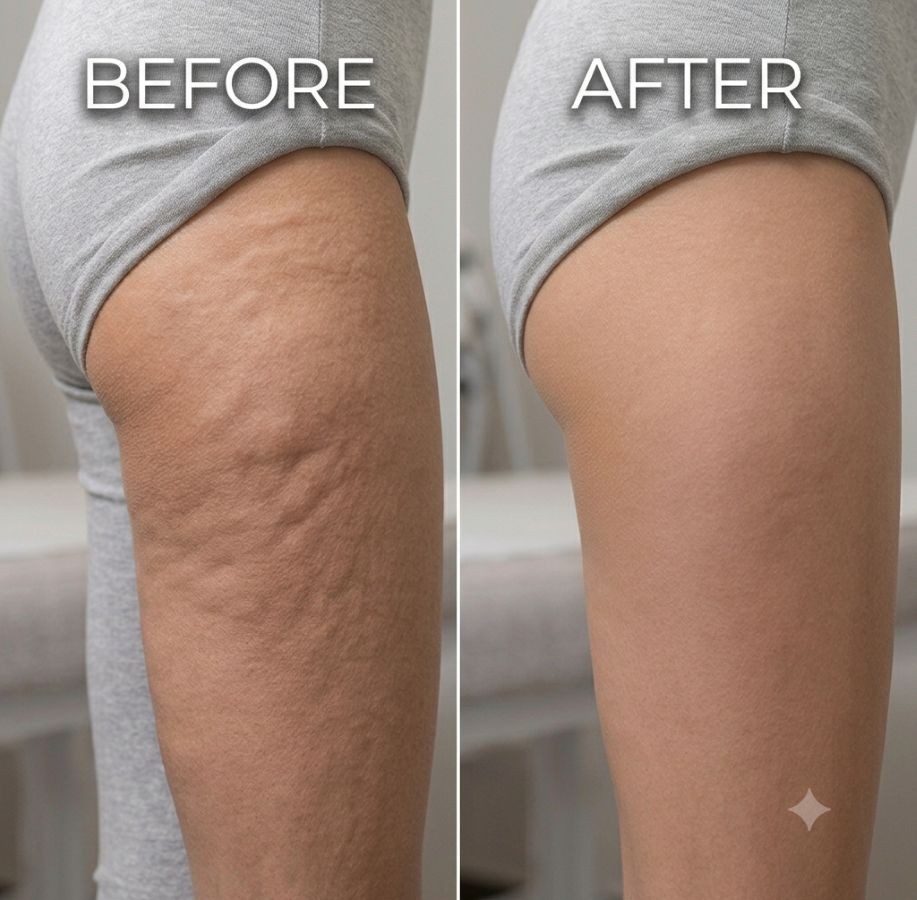
Yoga can support cellulite reduction by improving muscle tone, circulation, and overall body strength. Regular practice helps strengthen and tighten the muscles beneath the skin, especially in areas like the thighs, hips, and buttocks, which can make the skin appear smoother and firmer. Yoga poses that involve stretching, balance, and muscle engagement help improve flexibility and body shape while reducing the appearance of loose or uneven areas. Improved blood flow through yoga may support healthier skin and better tissue nourishment. Breathing exercises and relaxation techniques also help reduce stress, which can influence weight management and overall wellness. Combined with a balanced diet, proper hydration, and an active lifestyle, yoga can be an effective way to enhance body tone and support a more sculpted appearance. While cellulite is a natural part of the body, consistent yoga practice can help you achieve a stronger, fitter, and more confident look with healthier skin and improved body definition.

Varicose and Spider Vein Reduction
Yoga can be a beneficial practice for supporting leg health and managing discomfort associated with varicose veins and spider veins. One of the key benefits of yoga is its focus on stretching, which helps improve flexibility, release muscle tension, and encourage better blood circulation. Gentle stretching through yoga poses can support the muscles around the legs, helping them work more efficiently to promote healthy blood flow. Certain yoga movements that involve leg elevation, controlled stretching, and mindful breathing may help reduce feelings of heaviness, swelling, and tiredness in the legs. Regular stretching also improves mobility, posture, and overall body balance. Yoga’s combination of physical postures, breathing techniques, and relaxation helps reduce stress and supports a healthier lifestyle. While yoga cannot remove varicose or spider veins, consistent practice can help improve comfort, strengthen the body, and support circulation. Along with an active lifestyle and proper care, yoga can help you maintain lighter, stronger, and healthier-looking legs.
Pain Management
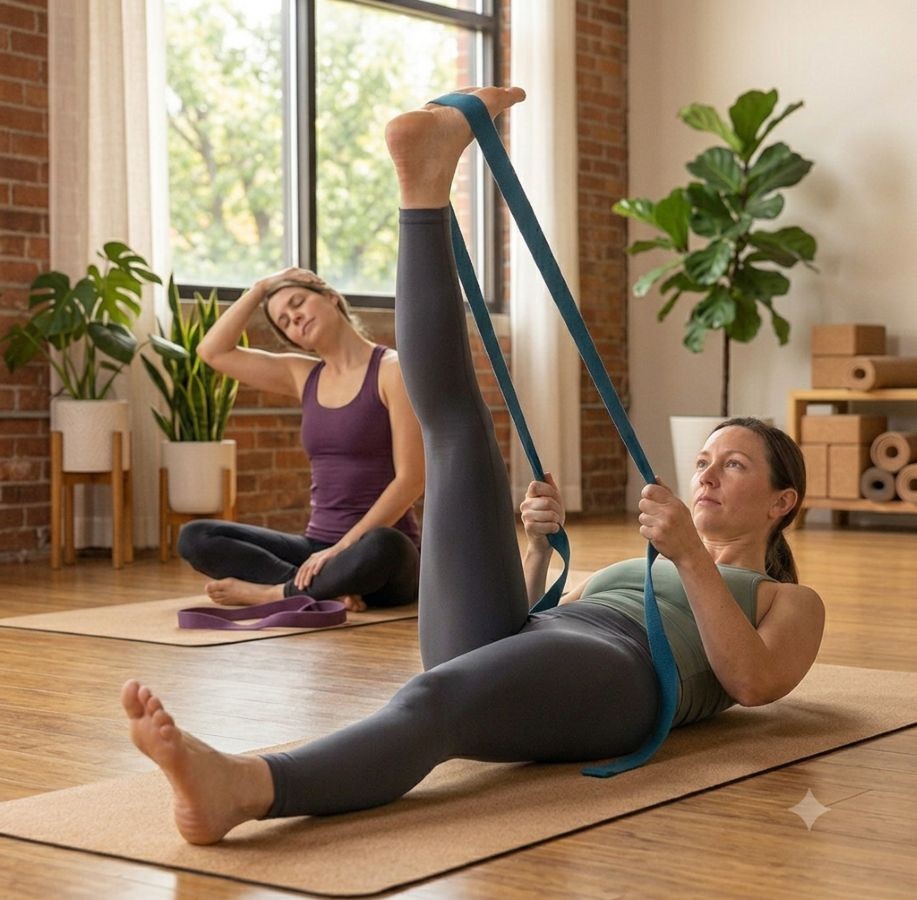
Yoga can be an effective way to support pain management for conditions such as knee pain, hip joint pain, including discomfort associated with AVN (Avascular Necrosis), neck pain, back pain, and general joint stiffness. Gentle yoga postures, stretching, and controlled movements help improve flexibility, strengthen the muscles that support the joints, and enhance overall mobility. Stretching is especially important because it reduces muscle tightness, improves range of motion, and helps relieve stiffness that can contribute to pain. Yoga also promotes better posture, body alignment, and balance, which can reduce unnecessary strain on the spine and joints. Yoga helps reduce medical conditions such as AVN or chronic joint disorders, practicing under proper guidance can help improve comfort, support rehabilitation, and enhance quality of life. Combined with appropriate medical care and physiotherapy when needed, yoga can help you move more comfortably, improve function, and maintain long-term physical well-being.
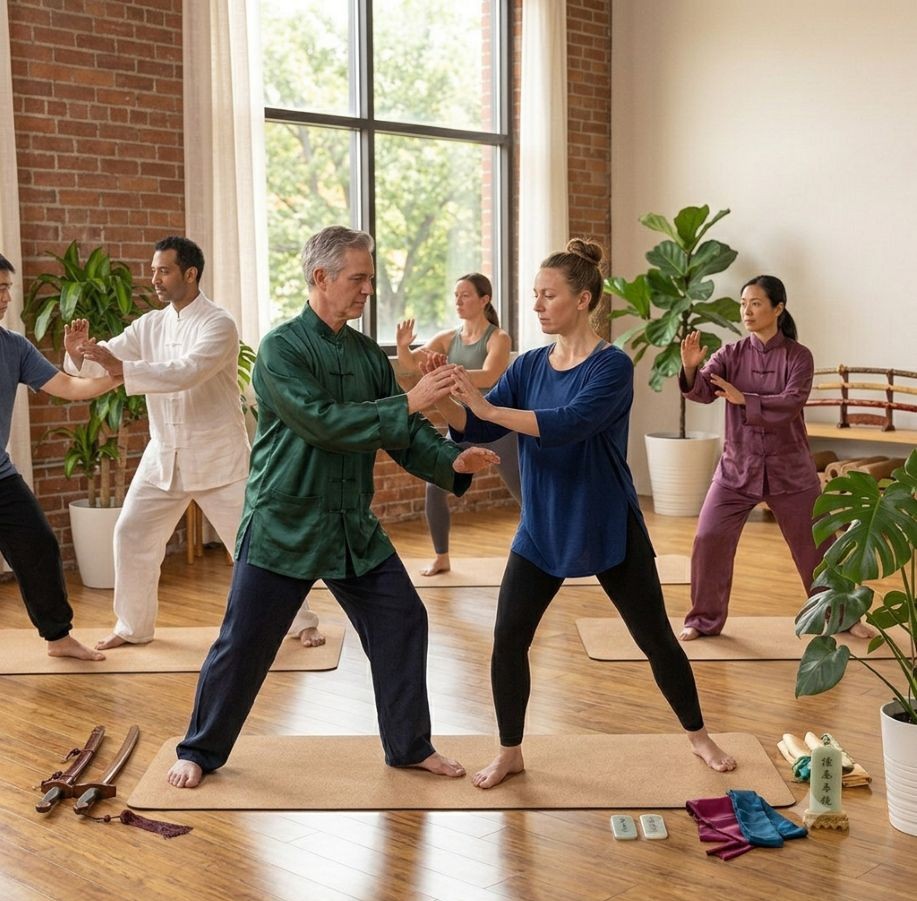
Tai Chi and Qi Gong
Tai Chi and Qi Gong are gentle, low-impact mind-body practices that combine slow, flowing movements, deep breathing, and mindful awareness to improve overall health and well-being. Suitable for people of all ages and fitness levels, these practices help enhance balance, flexibility, coordination, and posture while strengthening the body without placing excessive stress on the joints. Regular practice promotes better blood circulation, improves mobility, and may help reduce stiffness, stress, and fatigue. Tai Chi and Qi Gong are also known for their calming effects, helping to improve concentration, emotional balance, sleep quality, and overall mental wellness. They can support healthy aging by improving stability and reducing the risk of falls in older adults. While not a replacement for medical treatment, these practices complement a healthy lifestyle and can aid in recovery, relaxation, and pain management. With consistent practice, Tai Chi and Qi Gong help develop greater physical strength, inner calm, energy, and overall quality of life.
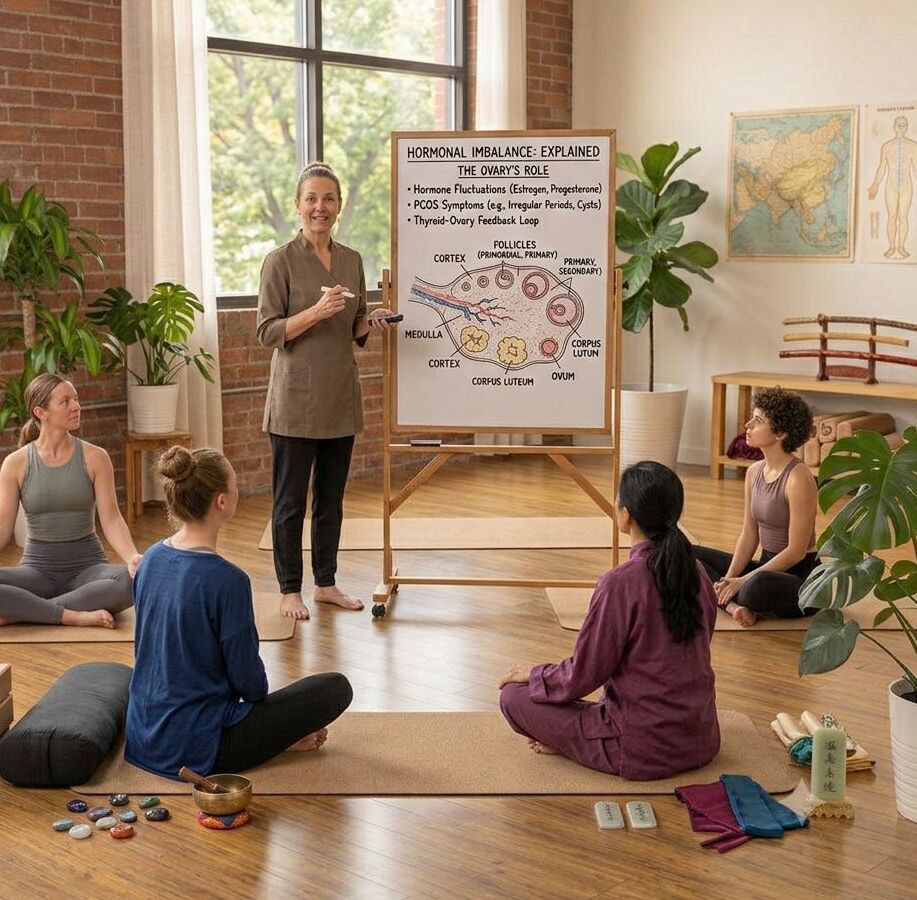
PCOD, PCOS, PMOS and Hormonal Imbalance
Yoga can be a valuable part of managing PCOD, PCOS, and other hormonal imbalances by supporting overall physical and emotional well-being. Regular yoga practice helps reduce stress, one of the factors that can influence hormone regulation, while improving blood circulation, metabolism, and body awareness. Gentle stretching and yoga postures stimulate different parts of the body, improve flexibility, and support the healthy functioning of the endocrine system. Yoga also helps maintain a healthy weight, improves insulin sensitivity, and encourages better lifestyle habits, which are important in managing PCOS and PCOD symptoms. Breathing exercises and meditation promote relaxation, improve sleep quality, and help reduce anxiety, contributing to better hormonal balance. While yoga is not a replacement for medical treatment, consistent practice alongside a balanced diet, regular exercise, and appropriate medical care can help manage symptoms such as irregular menstrual cycles, fatigue, weight gain, and stress.
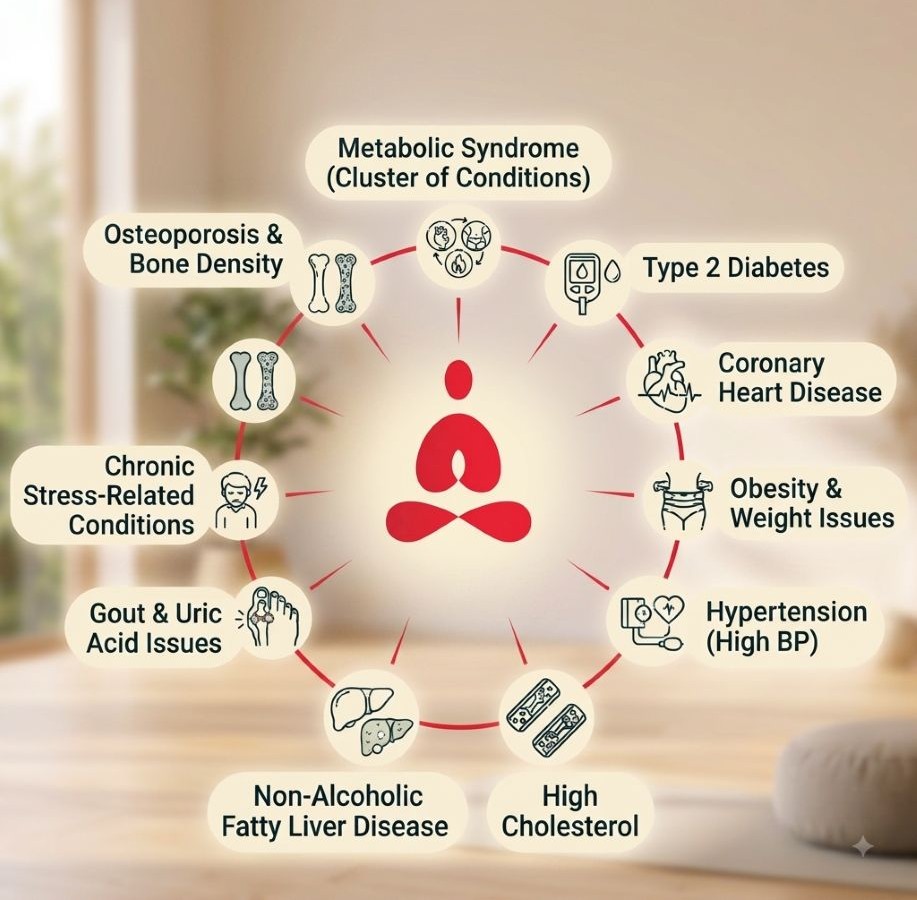
lifestyle Dieases Prevention
Lifestyle diseases are illnesses that develop mainly due to unhealthy habits, poor diet, stress, and lack of physical activity. Some common lifestyle diseases are obesity, diabetes, hypertension, heart disease, stroke, fatty liver disease, and certain digestive disorders. These diseases can be prevented to a great extent by following a healthy routine. Yoga is helpful because regular practice of asanas, pranayama, and meditation can reduce stress, improve flexibility, strengthen muscles, and support healthy blood pressure and digestion. A balanced diet is equally important. We should eat fresh fruits, vegetables, whole grains, pulses, nuts, and other nutritious foods. Excessive sugar, salt, fried foods, processed foods, and sugary drinks should be avoided. Drinking enough water and eating meals at regular times are also beneficial. Therefore, a combination of regular yoga, a nutritious diet, adequate sleep, and an active lifestyle can help prevent lifestyle diseases and promote a healthy and happy life

Psychotherapy and Counselling
Yoga is one of the most effective natural ways to manage stress. Regular yoga practice combines gentle stretching, mindful movement, breathing exercises, and meditation to calm the mind and relax the body. Stretching helps release muscle tension that often builds up due to stress, while deep breathing promotes relaxation and supports a healthy nervous system. Yoga encourages mindfulness, helping you stay present and better manage daily challenges with a calm and balanced mindset. It can also improve sleep quality, increase energy levels, and reduce feelings of anxiety, fatigue, and emotional exhaustion. Regular practice enhances flexibility, posture, and overall fitness while creating a sense of inner peace and emotional stability. Although stress is a natural part of life, yoga provides healthy tools to cope with it more effectively. Combined with a balanced lifestyle, proper nutrition, and adequate rest, yoga helps improve resilience, boost confidence, and promote long-term mental, emotional, and physical wellness.
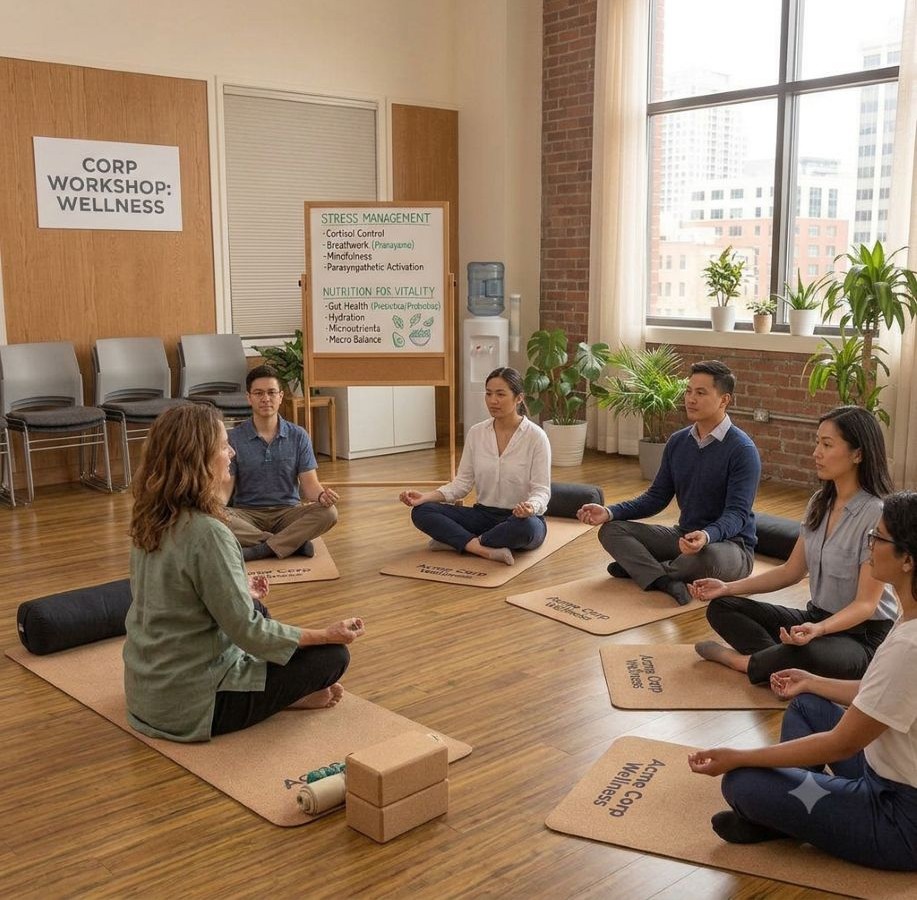
Corporate Workshop
Yoga can greatly benefit people in the workplace by improving physical health, mental focus, and overall productivity. Long hours of sitting, standing, or working on computers often lead to neck pain, back pain, shoulder stiffness, and poor posture. Regular yoga practice helps relieve muscle tension through gentle stretching, improves flexibility, and strengthens the muscles that support the spine and joints. Breathing exercises and meditation help reduce workplace stress, improve concentration, and enhance emotional balance, enabling better decision-making and increased efficiency. Employees stay active and comfortable throughout the day. Regular practice can improve sleep quality, reduce anxiety, and increase resilience to daily work pressures. Whether practiced before work, during breaks, or after office hours, yoga supports both physical and mental well-being. By improving flexibility, focus, confidence, and overall fitness, yoga helps individuals perform at their best while creating a healthier, happier, and more productive work environment.
Meditation and Concentration
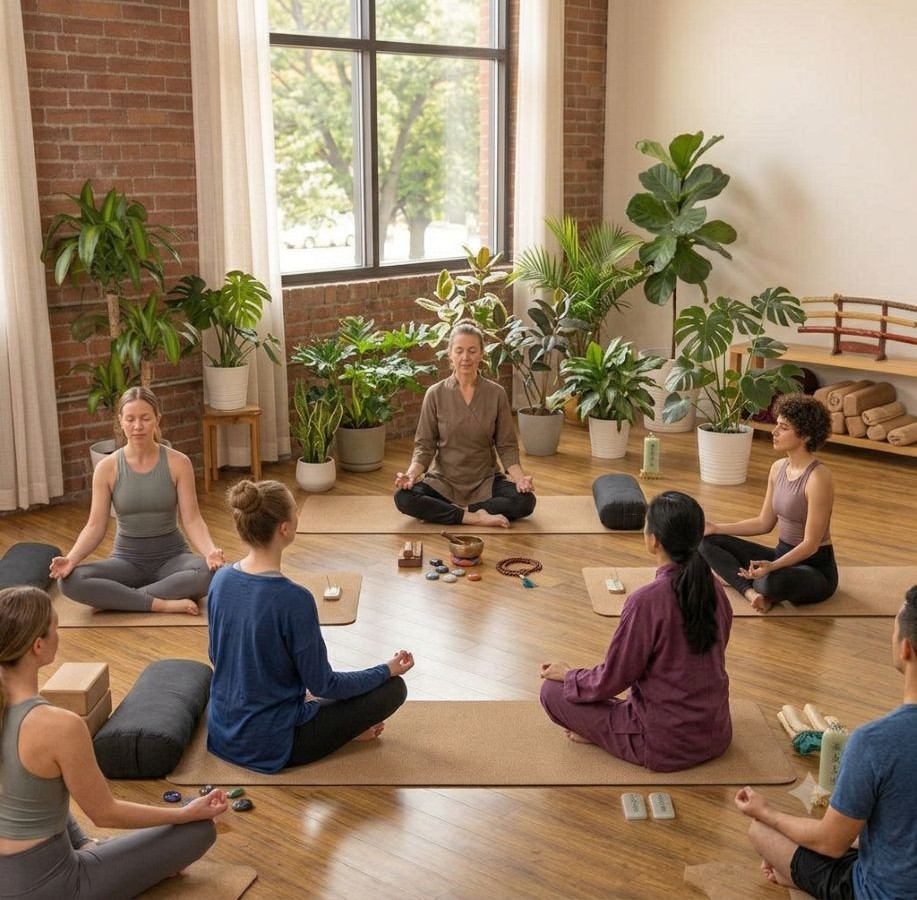
Meditation is a powerful practice that helps improve concentration, mental clarity, and emotional well-being. By calming the mind and reducing unnecessary mental distractions, meditation enhances the ability to focus on tasks for longer periods with greater efficiency. Regular meditation trains the brain to stay present, improving memory, decision-making, and problem-solving skills. It also helps reduce stress, anxiety, and mental fatigue. When combined with deep breathing and mindfulness, meditation promotes relaxation, improves sleep quality, and increases emotional resilience. Students can benefit from improved learning and academic performance, while professionals may experience better productivity, creativity, and workplace performance. Meditation also supports overall health by lowering stress levels, improving mood, and creating a sense of inner peace. With consistent practice, it becomes easier to manage daily challenges, maintain emotional stability, and develop a calm, focused, and positive mindset.

Diet Consultation
Yoga and regular exercise deliver the best results when combined with a balanced, nutritious diet. Healthy eating provides the body with the essential vitamins, minerals, protein, healthy fats, and carbohydrates needed for energy, muscle recovery, weight management, and overall well-being. A well-planned diet supports fitness goals such as weight loss, body toning, improved metabolism, hormonal balance, and better immunity. It also helps maintain steady energy levels, enhances digestion, and promotes healthy skin and overall vitality. Since every individual has different health needs and lifestyle goals, a personalized nutrition plan can make a significant difference. We provide professional diet consultation to help you choose the right foods based on your age, health condition, fitness goals, and daily routine. Our customized guidance focuses on creating sustainable eating habits rather than restrictive dieting. By combining yoga with the right nutrition, you can achieve better health, improved fitness, and long-lasting wellness in a natural and balanced way.